Learning to Live an Eternal Life Now Conference

May 1-4, 1994
Ojai Valley Community Church - Ojai, CA

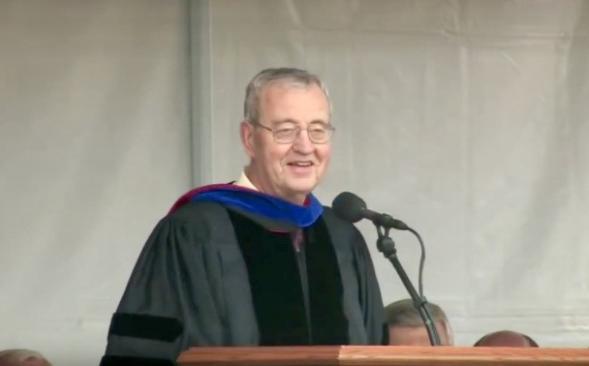
Dallas had the privilege of addressing a conference for lay people at a local church which was also hosted by The Sower's Yield in early May 1994. In this set of talks, Dallas unfolds the profound reality of eternal life as a present-tense experience rather than merely a future hope. He begins by grounding our identity in the truth that we are “never-ceasing spiritual beings with an eternal destiny in God’s universe.” This understanding reframes how we engage with faith, moving beyond intellectual assent to a deeply interactive knowledge of God. He warns of the human disaster of unbelief, showing how misplaced trust in self-sufficiency leads to spiritual blindness and brokenness, whereas faith in Jesus allows us to live with divine confidence. Dallas then explores how Jesus saves our lives—not only in eternity but in the transformation of our daily existence through trust, obedience, and surrender to God's kingdom.

The series culminates in a practical examination of trust and obedience, revealing that true discipleship means aligning our will with God’s reality, not through forced legalism, but through a heart transformed by grace. This naturally leads to spiritual disciplines for liberation, where Willard highlights the essential role of practices like solitude, study, and prayer in shaping our inner being to sustain an eternal kind of life. With his characteristic clarity and depth, Dallas’s message is both an invitation and a challenge: to step into the kingdom of God now, not just as believers, but as apprentices of Jesus, learning to live as He would if He were in our place.
 

Resources

1: Who You Are and Why You Are Here

What does it mean to truly live an eternal life now? Dallas explores the nature of our existence, our divine calling, and the interactive presence of God in our lives. He challenges common misconceptions about eternal life, emphasizing that it is not just about securing a place in heaven, but about knowing and walking with God here and now. 

2: The Human Disaster of Unbelief

Dallas unpacks the devastating consequences of unbelief by reframing our understanding of faith. Rather than a passive acceptance of doctrine, faith is an active trust in God that integrates our lives with reality. Dallas challenges the modern assumption that skepticism equates to intelligence, showing instead that faith is not a leap into the dark but a leap into the light.

3: How Jesus Saves Our Lives

What does it truly mean to be saved by Jesus? In this profound and illuminating talk, Dallas reflects on the transformative nature of salvation—not merely as a ticket to heaven but as an invitation to live in God’s Kingdom now. He explores how Jesus rescues us from the destructive forces of anger, contempt, and lust, and how we can learn to live our ordinary lives in constant partnership with God. 

4: Trust and Obey: The Teachings of Jesus

Dallas explores the heart of Jesus’ teachings, focusing on the transformation that occurs when we trust and obey Him. He dismantles common misunderstandings of the Sermon on the Mount, emphasizing that Jesus was not merely giving a list of rules but inviting us into a new kind of life—one where obedience is not burdensome but a natural outflow of a transformed heart. 

5: Spiritual Disciplines for Liberation into Eternal Life

Dallas unpacks the profound yet practical reality of living in the Kingdom of God now, not just after death. He explains how spiritual disciplines—practices rooted in Jesus' own life—train us to move beyond sin’s grip, aligning our inner character with God’s power. Through faith, obedience, and transformation, we can experience the easy yoke of Christ, where love, joy, and righteousness flow naturally. 

6: Who Are You and Why You Are Here [alternate version]

Dallas invites us to reexamine the essence of who we are and why we are here. He challenges common misconceptions about the gospel, eternal life, and human purpose, guiding us to understand our true identity as spiritual beings meant for an eternal destiny in God's kingdom. [This re-taping of the first talk in this series is an expanded version, providing an additional half hour of teaching]

7: The Human Disaster of Unbelief [alternate version]

Dallas challenges the prevailing assumption that doubt is a mark of intelligence and reveals the devastating consequences of unbelief. He unpacks the nature of faith—not as blind acceptance but as a lived-out trust in God that enables us to align our lives with reality. [This talk is a re-taping of the second in this series - a marginally different version]

Photograpy Credit: bilanol on Adobe Stock

The resources on this website are freely available here because of the generous gifts of our supporters.

Give
Download & Listen Offline

Who You Are and Why You Are Here

Highlights:

  • The Bible as Our Best Information: Dallas emphasizes that the Bible provides the best information available to human beings about the things that matter most. He asserts that Jesus is the smartest person who ever lived, and if we truly want to know how to live, we must look to Him and the Scriptures.
  • Eternal Life is Now: Many believe eternal life begins after death, but Dallas clarifies that eternal life is knowing God and living interactively with Him now. He references John 17:3, where Jesus defines eternal life as knowing the Father and the Son—not merely existing forever, but living in divine reality today.
  • You Are a Spiritual Being: Contrary to the common belief that we are merely physical beings, Dallas insists that we are "never-ceasing spiritual beings with an eternal destiny in God’s universe." He challenges the notion that we are our brains, explaining that our true essence is unbodily, personal power—our ability to think, choose, and relate to God.
  • Your Purpose is to Rule: From Genesis 1:26, Dallas highlights that God created humans to "rule"—to exercise authority within their sphere of influence. Our lives are about learning how to reign with God, surrendering our own kingdom to His and participating in His divine governance.
  • The Kingdom Prepared for You: Dallas draws from Matthew 25:34 to explain that before the foundation of the world, God prepared a kingdom for each of us. He urges listeners to embrace their divine calling and not to shrink back from the reality that they were created for something far greater than they often realize.
  • Preparing to Reign Forever: In Revelation 22:5, Dallas points to the ultimate destiny of God’s people: to reign with Him forever. He encourages believers to start thinking about what they will be doing 400 years from now because the life we live now is training for eternity in God’s kingdom.

The Human Disaster of Unbelief

Highlights:

  • The Modern Bias Toward Doubt: Dallas observes that in today’s culture, doubt is often seen as a mark of intelligence, while faith is treated as naïve. He challenges this assumption, arguing that life itself depends on trust—whether in relationships, our ability to work, or even something as simple as a reliable car.
  • Faith is Trust, Not Just Belief: Faith is not merely believing the right things but acting as if they are true. Using the analogy of trusting a chair when we sit down, Dallas explains that true faith in Jesus means resting in Him, not just affirming His existence intellectually.
  • The Root of Humanity’s Fall: In the Garden of Eden, Adam and Eve’s first mistake wasn’t just disobedience—it was mistrust in God. Dallas emphasizes that unbelief in God’s goodness leads to disastrous consequences, affecting every aspect of our lives.
  • Faith is Grown Through Experience: Dallas recounts the story of David facing Goliath, highlighting that David’s confidence didn’t come from wishful thinking but from past experiences of trusting God. Faith isn’t something we force ourselves to have; it grows as we step out in trust and see God’s faithfulness.
  • Faith Connects Us to Reality: Faith is not opposed to knowledge but to sight. Dallas compares faith to electricity—just because we can’t see it doesn’t mean it’s not real. The Christian life is about learning to operate in the unseen but powerful reality of God’s kingdom.
  • Practical Steps to Grow in Faith: To develop deeper faith, Dallas urges us to immerse ourselves in the Word of God and put it into practice. He encourages believers to meditate on Scripture, such as Psalm 23 or the Lord’s Prayer, allowing God’s truth to reshape their minds and hearts.

How Jesus Saves Our Lives

Highlights:

  • The Kingdom of God as the Answer to Philosophical Questions: In the early centuries of Christianity, the gospel of Christ provided answers to the great philosophical dilemmas that thinkers like Plato and Aristotle had wrestled with but could not resolve. This remains true today—Jesus brings clarity to the deepest human questions about life and existence.
  • You Are a Never-Ceasing Spiritual Being: Dallas emphasizes that human beings are not merely biological entities but eternal spiritual beings with a destiny in God’s universe. C.S. Lewis and John Wesley both highlighted this truth, reminding us that our value far surpasses the material world.
  • Jesus Invites Us to Live in His Kingdom Now: The heart of Jesus’ message is that the Kingdom of the Heavens is available to us in the present. Salvation is not just about the afterlife—it is about stepping into a new reality here and now, where we live our ordinary lives with God in charge.
  • True Meaning of the Beatitudes: Rather than being commands or ideals to strive for, the Beatitudes reveal how far-reaching God’s Kingdom is. They show that no one—whether poor, mourning, or persecuted—is beyond the reach of God’s blessing and transformation.
  • How Jesus Frees Us from Anger and Contempt: Anger and contempt dominate human relationships and corrupt lives. Jesus offers a way to live free of these destructive forces, inviting us into a way of being where love, patience, and forgiveness replace bitterness and resentment.
  • Overcoming Lust Through Love and Reverence: Dallas warns that modern society fuels lust, which devalues people and destroys relationships. Jesus doesn’t just command purity—he empowers us to see others as children of God, transforming our desires through the power of love.

Trust and Obey: The Teachings of Jesus

  • Highlights:
    The True Purpose of Jesus’ Teachings: Jesus' commands are not arbitrary rules but invitations to a transformed life. Instead of legalistic obedience, He calls us to develop a heart that naturally produces righteousness.
  • Faith and the Kingdom of God: True faith is not just believing facts about God but trusting Him enough to live as if His kingdom is real. When we do, our actions begin to align with the eternal reality of His rule and reign.
  • The Misunderstood Nature of the Sermon on the Mount: Many misinterpret Jesus' teachings as rigid laws rather than descriptions of how life works in God’s kingdom. For example, “turn the other cheek” is not about passivity but about breaking the cycle of retaliation through love.
  • The Power of Blessing Instead of Cursing: When someone curses us, our natural response is to retaliate, but Jesus calls us to bless them instead. This shifts the ground beneath our enemies and opens the door for them to experience God’s love.
  • Money and the Illusion of Security: Jesus warns against relying on wealth as our source of security. Instead, He invites us to trust in God’s provision, using our resources for His purposes rather than hoarding them in fear.
  • Spiritual Formation is a Process: Becoming like Christ does not happen instantly; it requires intentional discipleship. Just as physical training builds strength, spiritual practices—such as prayer, study, and service—shape us into people who naturally live in obedience to Christ.

Spiritual Disciplines for Liberation into Eternal Life

  • Highlights:
    Jesus’ Teachings Are Not a Burden, but a Guide to Life: Dallas emphasizes that many people see Jesus' teachings as impossible burdens that induce guilt, rather than as divine wisdom for a flourishing life. He reframes them as the best possible instructions for living, showing that true goodness becomes possible through grace and discipleship.
  • The Role of Spiritual Disciplines in Obedience to Christ: Obedience is not about sheer willpower but about stepping into the rhythms of life Jesus modeled. Disciplines like solitude, fasting, and study are not legalistic burdens but practical ways of training ourselves to live as Jesus would if He were in our place.
  • Transformation Starts with the Body: Dallas explains that sin is often ingrained in our bodily habits—our automatic responses formed over time. True spiritual change requires the reordering of our inner life so that, eventually, our bodies naturally respond with love, patience, and peace, just as they once did with anger or lust.
  • The “Golden Triangle” of Spiritual Growth: Christian transformation involves three key components: (1) the challenges of ordinary life, (2) the work of the Holy Spirit, and (3) intentional spiritual disciplines. These work together to shape us into people who live in constant awareness of God’s presence and power.
  • The Power of Secrecy and Service: Dallas highlights secrecy as an often-overlooked discipline, teaching that doing good deeds in secret frees us from the need for human approval. Likewise, service—actively seeking the good of others without concern for recognition—deepens our ability to live in Christlike humility.
  • Grace is Not Opposed to Effort, but to Earning: One of Dallas’s core insights is that grace does not eliminate effort but rather fuels it. Transformation into Christlikeness requires active participation—learning from Jesus, practicing new habits, and allowing God’s Spirit to reshape us—so that righteousness becomes second nature.

Who Are You and Why You Are Here [alternate version]

Highlights:

  • The Gospel and Its Intended Outcome: Dallas questions whether the gospel we commonly preach today naturally produces Christlike people. He argues that Jesus’ original message was about making disciples—students of the kingdom—who learn to live in full alignment with God's rule, not just securing forgiveness and waiting for heaven.
  • The Spiritual Nature of Humanity: At the core of our being, we are spiritual creatures with the unique ability to connect with God. Dallas explains that just as plants draw life from the sun and soil, human beings are designed to root themselves in God, but our tendency to live apart from Him leads to spiritual withering and death.
  • Eternal Life is Knowing God: Rather than merely existing after death, eternal life is an interactive, ongoing relationship with God that begins now. Dallas clarifies that Jesus defines eternal life as knowing—experientially engaging with—the only true God and Jesus Christ, leading us into a transformed, God-infused way of living.
  • You Are a Ruler in Training: God created humans to reign over His creation, and each person has a "kingdom"—the effective range of their will. Dallas emphasizes that the purpose of our life on earth is to learn how to exercise our God-given authority in alignment with His will, preparing us for an eternal role in His kingdom.
  • Death is a Transition, Not an End: For those in Christ, death is not the termination of life but a seamless step into fuller existence with God. Dallas asserts that Jesus abolished death, and believers should no longer fear it, as they simply continue their eternal apprenticeship under God’s loving rule.
  • Faithfulness in the Small Things Leads to Greater Responsibility: Using the Parable of the Talents, Dallas illustrates that God entrusts us with small areas of influence to develop our capacity for greater things. As we faithfully steward what He has given us—our time, relationships, and opportunities—He expands our ability to participate in His work, both now and in eternity.

The Human Disaster of Unbelief [alternate version]

Highlights:

  • The Reality of Our Spiritual Existence: We are not just biological beings but undying spiritual creatures with an eternal destiny in God’s universe. The gospel is not merely about what happens after death but about how we live now, aligning our lives with God’s kingdom through apprenticeship to Jesus.
  • The False Wisdom of Doubt: Modern culture often equates doubt with intelligence, assuming that to question is superior to believing. However, Dallas argues that civilization flourishes based on belief, not skepticism, as belief enables us to interact with reality, whereas doubt alone is purely negative.
  • The Power of True Faith: Faith is not merely accepting doctrines but an active reliance on God that transforms how we live. Using examples from Scripture, Dallas illustrates that faith is what connects us to the life and power of God, shaping our choices, actions, and destinies.
  • Faith as Readiness to Act: Belief is not just what we profess but what we are ready to act upon. Dallas explains that we always live according to what we truly believe—whether in God, money, security, or power—and challenges us to examine our lives to discover what we actually trust.
  • Growing in Faith Through Experience: Faith increases not by trying harder but by acting on what we already know to be true and witnessing God’s faithfulness. Just as David’s trust in God grew through defeating lions and bears before facing Goliath, our confidence in God deepens as we step out in trust and see Him work.
  • Faith and the Kingdom Life: Faith is what enables us to live in the reality of God’s kingdom, experiencing His provision, guidance, and joy. Jesus calls us to rely on Him in every aspect of life, not just in religious matters, and when we do, we discover a peace and confidence that nothing in the world can shake.