Hearing the Voice of God Conference

August 16-18, 1993
African Enterprise - Pietermaritzburg, South Africa

Prayer is talking to God about what we're doing together.

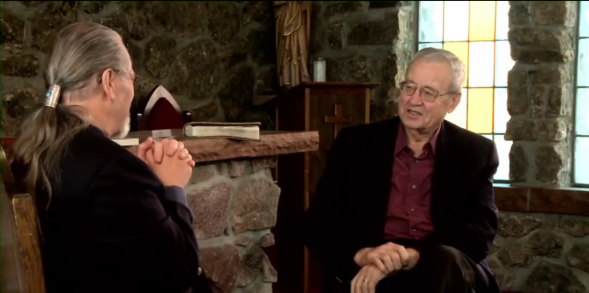
In 1993, Dallas made his third visit to South Africa, where he spoke at a 3-day gathering of African Enterprise on themes central to his book In Search of Guidance (later re-published as Hearing God). 

These eight talks reflect Dallas’s desire to equip believers with the tools to hear God’s voice and live fully in His presence. Dallas explores topics such as the gift of life in Christ, the reality of the Kingdom of God, and the nature of God’s personal communication. Each talk combines theological depth with practical application, offering listeners guidance on how to discern God's voice and embrace the joy and transformation of a life lived in His presence.

Resources

1: The Life We Are Given in Christ

What does it mean to live a life deeply connected to God? Dallas explains that the gift of life in Christ is more than a promise for eternity; it is an invitation to experience the presence, joy, and transformation of God now. God desires to speak personally to each of His children, offering guidance, comfort, and companionship.

2: The Things That Are Above: The Present Presence of the Kingdom of God

Dallas explores what it means to live according to "The Things That Are Above." Through a nuanced explanation of human nature, spiritual growth, and the Kingdom of God, Dallas invites listeners to experience the reality of God's presence in their daily lives. He emphasizes the transformative power of faith, the importance of spiritual disciplines, and the joy of walking in the Kingdom.

3: The “Still Small Voice” and its Rivals: The Biblical Basis of Comparison

Dallas explores the ways in which God communicates with His people, from dramatic phenomena to the gentle stirrings of the heart. He examines the biblical narratives that reveal God’s preferred mode of communication, the "still small voice," and why this method invites intimacy and clarity. This talk challenges common misconceptions about hearing God and offers wisdom on how to recognize His presence in everyday life.

4: Learning How to Reliably Recognize the Voice of God in Your Soul

Dallas takes listeners on a journey into understanding how to discern God's voice in their everyday lives. He shares how believers can develop a deeper relationship with God by learning to recognize His unique and personal communication. This talk serves as both a theological exploration and a practical guide to cultivating spiritual sensitivity in a world filled with competing voices.

5: Does God Speak Today? : Facing the Issues

Dallas Willard addresses the age-old question, "Does God speak today?" He explores the barriers that hinder people from hearing God's voice, challenges assumptions about God's nature, and provides a framework for cultivating a conversational relationship with Him. 

6: The Kind of Person God Speaks To in Fullness

Dallas unpacks "The Kind of Person God Speaks To," showing how God's word flows through those who are open and faithful. Through stories like the Roman Centurion and practical insights on discipleship, Dallas reveals how living and acting on God's word transforms individuals and communities, bringing revival and lasting impact.

7: Life Beyond Guidance: God Is Still There When There Is No Word

Dallas considers the dynamics of hearing God’s voice and living confidently within His guidance. Highlighting the conversational nature of our relationship with God, Dallas provides a practical framework for seeking, discerning, and acting on His guidance. He addresses the tension of decision-making when no clear word is given, emphasizing faith, freedom, and the transformative power of trust. 

8: Christ’s Community Power in Holiness Is for Now

Dallas explores the transformative power of living as Christ's community in a world fraught with challenges. He emphasizes the church's role in radiating God's glory, the necessity of discipleship and unity, and the urgent call to model Christ-like love. Dallas offers a vision of hope, abundance, and purpose that compels us to embrace our identity as a light to the nations.

The resources on this website are freely available here because of the generous gifts of our supporters.

Give
Download & Listen Offline

The Life We Are Given in Christ

Highlights:

  • God Speaks to His People: Dallas emphasizes that God speaks personally to His people, not to make them infallible but to guide them in living a life rooted in fellowship with Him. This conversational relationship is essential for navigating life’s risks and serving in His kingdom.
  • Discerning God's Voice: Addressing the confusion surrounding hearing God’s voice, Dallas explains that true divine communication aligns with Scripture and the character of Jesus. He warns against being misled by individuals who claim God’s authority without embodying His life.
  • Eternal Life as a Present Reality: Dallas redefines eternal life as knowing God and experiencing His presence now, not just a future promise.
  • A Life of Righteousness: Citing passages like Colossians 3, Dallas explores how living in God's presence shapes our hearts toward righteousness. This transformation empowers us to put away destructive habits and embrace compassion, kindness, and humility.
  • Nature of Discipleship: Dallas describes discipleship as learning from Jesus how to live our lives as He would live them if He were us. 
  • Blessing Those Who Curse: Illustrating the depth of transformation possible through discipleship, Dallas highlights Jesus' teaching to bless those who curse us. True discipleship enables us to will good for others, even in the face of hostility.
  • God's Kingdom is Near: Dallas challenges modern notions of heaven as distant, explaining that God's kingdom is immediately accessible. He teaches that God's presence and the activity of His angels are as close as the air around us.
  • Reigning with Christ: Dallas concludes by inspiring us to view our lives as part of God's grand kingdom plan. By submitting our personal "kingdoms" to Christ's reign, we prepare to partner with Him now and in eternity.

The Things That Are Above: The Present Presence of the Kingdom of God

Highlights:

  • The Divine Order of Life: Dallas explains God's original design for human life, with the spirit rooted in God, the soul leading the personality, and the body serving. He contrasts this with the world's inversion, where the body often dominates, leading to spiritual disconnection.
  • The Kingdom of God Present in Jesus: Dallas emphasizes that the Kingdom of God is not just a future promise but a present reality made manifest in Jesus. He explains that through Jesus, we are invited to participate in the Kingdom here and now, living with eternal significance.
  • Faith as the Foundation of Spiritual Life: Faith, according to Dallas, is the starting point of spiritual transformation. Believing in Jesus as Lord reshapes our lives, grounding us in God's reality and opening the door to eternal life.
  • The Transformative Power of Spiritual Disciplines: Dallas underscores the role of disciplines like solitude, silence, and fasting in fostering spiritual growth. These practices help believers break dependence on worldly comforts and align their lives with God's presence.
  • The Inversion Principle in the Kingdom: Dallas describes the "inversion" of human values in God's Kingdom, where the last become first, and the poor in spirit are truly blessed. He challenges listeners to rethink worldly measures of success in light of divine priorities.
  • Role of the Holy Spirit: The Holy Spirit, Dallas explains, is God's invisible action, enabling believers to live in the power of the Kingdom. This gentle but transformative presence equips us for growth and effective discipleship.
  • Spiritual Growth Through Faith and Trials: Dallas discusses how trials and tribulations, when met with faith, lead to patience and spiritual maturity. He highlights the opportunity to see God’s work in the midst of challenges, encouraging joy even in difficulties.
  • Living in God’s Wisdom and Power: Dallas concludes by showing how immersion in God's power makes sin and retaliation increasingly unattractive. By adopting the mind of Christ, believers learn to live wisely and embody the goodness of God's Kingdom.

The “Still Small Voice” and its Rivals: The Biblical Basis of Comparison

Highlights:

  • The Power of the "Still Small Voice": Dallas explains the story of Elijah in 1 Kings 19, contrasting dramatic natural events with the gentle whisper of God's voice. He emphasizes that God often communicates in quiet, subtle ways rather than through grand displays.
  • Misconceptions About Hearing God: Dallas addresses the common belief that if God speaks, it will always be dramatic or unmistakable. He warns that this misconception can prevent people from recognizing the conversational presence of God in their lives.
  • Danger of Overvaluing Dramatic Experiences: Sharing an example from Guideposts Magazine, Dallas recounts a woman’s vivid encounter with Jesus and cautions against equating such experiences with spiritual superiority. He highlights how this can lead to confusion and misplaced focus on experience rather than God.
  • Preferred Mode of Communication: Dallas asserts that God’s primary way of speaking to us is through inner thoughts—the “still small voice.” This form of communication reflects God’s desire for intimacy and requires attentive hearts and minds.
  • The Role of Teachers in Discerning God's Voice: Using the example of Eli and Samuel, Dallas underscores the importance of mentors in helping others recognize when God is speaking. This ministry of discernment is vital for spiritual growth, especially in younger believers.
  • God’s Use of Human Voices: Dallas highlights how God often speaks through others, blending divine and human agency. He points to examples in Scripture and encourages listeners to be open to hearing God’s Word in everyday conversations.
  • Value of Scripture in Hearing God: Dallas advises filling oneself with God’s Word in Scripture to better discern His individualized messages. He notes that familiarity with God’s written Word sharpens our ability to recognize His voice in our lives.
  • Humility in Recognizing God's Communication: Dallas concludes by emphasizing humility in approaching God’s voice, whether it comes through a dramatic event, a human messenger, or the still small voice within. This openness ensures we are prepared to hear God in any form He chooses.

Learning How to Reliably Recognize the Voice of God in Your Soul

Highlights:

  • The Framework for Hearing God's Voice: Dallas emphasizes the importance of living a life rooted in God’s guidance and explains how foundational practices create the context for recognizing His voice.
  • Role of Experience in Learning: Dallas discusses how, like sheep learning to recognize their shepherd's voice, believers come to know God's voice through experience and repeated exposure.
  • Three Lights of Guidance: He introduces the concept of the "three lights" (Scripture, internal impressions, and circumstances) and highlights their role in discerning God’s will, while cautioning against rigidly using them as a formula.
  • Weight of Authority in God's Voice: Dallas reflects on the calm yet authoritative nature of God's voice, which is distinct from human subconscious thoughts or anxieties.
  • The Spirit of God's Voice: Drawing on James 3:17, Dallas describes how God’s voice is marked by purity, peace, gentleness, and wisdom, contrasting it with voices driven by fear or confusion.
  • Value of Testing and Fleece-Laying: Using the story of Gideon, Dallas explores how believers can use clear and thoughtful methods to test God’s guidance, while avoiding the pitfalls of treating these methods as rigid principles.
  • God’s Sovereignty and Human Freedom: Dallas challenges the notion that God micromanages every aspect of life, explaining that God often gives us the freedom to make decisions within His overarching will.
  • Creative Life of Faith: Dallas encourages believers to step out in faith and creativity, not waiting for specific commands for every action but living confidently as co-laborers with God.

Does God Speak Today? : Facing the Issues

Highlights:

  • Paul at the Areopagus: Dallas begins by reflecting on Acts 17, where Paul challenges the Athenians' idolatry by introducing the idea of a living God. He emphasizes the relevance of this passage in understanding humanity’s search for God and the blindness that often accompanies it.
  • Blindness to God's Voice: Many people claim to believe in a God who speaks but struggle to explain how or recognize His voice. Dallas highlights the deeper issue—general assumptions about God and reality that prevent meaningful engagement with His voice.
  • Four Barriers to Hearing God: Dallas introduces four common objections that hinder people from hearing God. He explains how these barriers are rooted in misconceptions about God's nature, the universe, and the role of Scripture.
  • The Lowliness of God: A mistaken view of God’s “dignity” often leads people to assume He wouldn’t concern Himself with individuals. Dallas counters this by pointing to Jesus’ life as the ultimate demonstration of God’s willingness to intimately engage with humanity.
  • God's Continuous Communication: Using analogies like radio waves, Dallas explains that God’s voice is constantly present but often goes unnoticed due to our distractions or lack of spiritual attunement. He encourages an attitude of openness and responsiveness.
  • Secular Mindset vs. God’s Reality: Dallas critiques the secular worldview that dismisses God as irrelevant to disciplines like economics and sociology. He contrasts this with the biblical vision of a universe upheld by God’s presence and mind.
  • Encouraging Individual Guidance: Dallas warns against legalism and systems that undermine personal spiritual experience. He calls for pastors and leaders to empower individuals to develop their own relationship with God.
  • The Power of a Conversational Relationship: Ending on a hopeful note, Dallas paints a vision of the church as a unified body, each member living in communion with Christ. This relationship, he asserts, holds the potential to transform both individuals and the world.

The Kind of Person God Speaks To in Fullness

Highlights:

  • God's Promises in Our Lives: Dallas emphasizes that God's promises, such as protection and joy, are true even in times of suffering. Trusting in these promises allows us to see the broader vision of God's kingdom, sustaining us through challenges.
  • The Law of Transmission: Dallas introduces the concept of the 'Law of Transmission,' highlighting that God's blessings must flow through us to reach others. This principle underscores the communal and selfless nature of spiritual life.
  • Faith of the Centurion: Drawing from the story of the Roman Centurion, Dallas illustrates how faith in Jesus' authority can activate the power of God's word. This faith enables miracles and serves as a model for believers to trust in the divine power of spoken words.
  • Living and Acting with the Word: Discipleship involves more than hearing God's word; it requires living it out in daily life. Dallas explains how applying Jesus' teachings brings freedom and aligns believers with God's transformative power.
  • The Word of God as a Living Force: Dallas describes the Word of God as a living, active substance that works independently. It penetrates deeply into human hearts, cutting through doubts and bringing clarity to our intentions.
  • The Experiment of Discipleship: Jesus' training of ordinary people, like the seventy disciples, demonstrates that the power of God's word can flow through anyone. Their success shows that the kingdom of God thrives when entrusted to faithful believers.
  • The Reality of Revival: Dallas emphasizes the need for revival, where God's presence becomes tangible in communities. This revival transforms lives and confronts the world's resistance to righteousness.

Life Beyond Guidance: God Is Still There When There Is No Word

You may find it helpful to download the “A Formula for Living with Guidance” transparency Dallas put on the board for his students.

Highlights:

  • Essence of a Personal Relationship with God: God desires to speak to us in a personal way, creating a conversational relationship. This involves learning to recognize His voice through experience and reflection on past instances of His guidance.
  • Guidance Beyond Problems: True guidance seekers want God's input even when life seems to be going well. Dallas emphasizes that we need God just as much during prosperity as we do in hardship.
  • Confidence in Decision-Making: When no direct guidance is given, God often expects us to decide on our own. This process reflects maturity and alignment with His will, showing that He trusts us to make decisions in faith.
  • Routine for Seeking Guidance: Dallas outlines a routine: ask God for guidance, listen attentively, consult others for discernment, and act on the guidance received. This process emphasizes faithfulness and humility.
  • Living in God’s Perfect Will: Dallas explains that living within God’s general commands and fulfilling specific directions He gives puts us in His perfect will. When no specific guidance is provided, choosing what seems best in faith is also within His perfect will.
  • Risk and Growth in Guidance: Spiritual growth involves risk, as God uses uncertainty to build trust and maturity. We must embrace this risk while relying on God's grace to guide us through failures.
  • Role of Disappointment: Disappointments are opportunities to deepen trust in God. By viewing them as "His appointments," we align with the belief that all things work together for good in His greater plan.
  • Immersion in Scripture and Prayer: Immersing ourselves in God’s Word and praying about all aspects of life prepares us to recognize His voice. This practice fosters a life of guidance and strengthens faith.


Christ’s Community Power in Holiness Is for Now

Highlights:

  • The Church as God's Servant: The church is God's chosen servant, called to reflect His glory to the world. This mission involves not only ministering to its members but also reaching beyond to transform society.
  • Power of Holiness: Dallas highlights that holiness is not an unattainable ideal but a present reality. He explains that through holiness, we experience God's abundance and become vessels of His transformative power.
  • Role of Non-Retaliation: Central to living as Christ's community is embracing non-retaliation. By choosing mercy over justice in human terms, we align ourselves with the heart of the Gospel.
  • Evangelism as Neighborly Love: Evangelism should be an act of love, not domination. Dallas urges believers to extend the Gospel as a means of serving others and bringing healing to a broken world.
  • Unity Through Obedience: True unity among believers comes from shared obedience to Christ. It is not achieved through rituals or doctrines alone but through mutual love and commitment to His teachings.
  • Praying for Leaders: Dallas stresses the importance of interceding for societal and political leaders. By doing so, the church can create an environment where godliness and dignity flourish.
  • Non-Compliance with Evil: One of the most powerful ways to combat evil is simply not to cooperate with it. Dallas advocates for standing firm in truth without necessarily attacking wrongs directly. 
  • A Vision of Joyful Restoration: Dallas concludes with a vivid image of the joy that awaits God's people, likening it to a calf leaping out of a stall. This is a foretaste of the eternal rejoicing found in Christ’s kingdom.